Compare Local Contractors for Sitework Service Projects
Compare local contractors for sitework services to define project scope, verify experience, and establish clear expectations for a successful job.
Sitework services typically encompass a range of foundational tasks necessary to prepare a property for construction or development. This includes grading and excavation to create a level base, soil preparation to ensure stability, drainage solutions to manage water flow, and the installation of utilities such as water, sewer, and stormwater systems. Properly executed sitework lays the groundwork for the safety, durability, and functionality of the entire project, making it a critical first step in any development process.
Clearly defining the scope of sitework work is essential for property owners to ensure that all necessary tasks are understood and agreed upon before work begins. A detailed scope helps prevent misunderstandings and scope creep by specifying the exact services required, such as the extent of excavation, grading levels, utility connections, and site restoration. Having this information in writing provides a clear reference point for both property owners and contractors, facilitating accurate communication and helping to set realistic expectations for the project's outcome.
When comparing local contractors for sitework services, property owners should consider their experience with similar projects and their familiarity with local soil conditions and regulations. It’s important to verify the contractor’s ability to handle the specific scope of work needed, as well as their reputation within the community. Gathering multiple proposals and reviewing each in detail can help highlight differences in approach and scope, making it easier to identify the service providers who are best equipped to meet project requirements. This approach promotes a thorough understanding of each contractor’s capabilities and ensures that the selected service provider aligns with the project’s needs.
Compare local contractors by outlining project priorities, verifying experience, and clearly defining scope and expectations in writing.
- Compare Contractor Experience - Review the background and project history of local contractors to assess their expertise.
- Define Project Scope Clearly - Establish detailed work descriptions to set accurate expectations with service providers.
- Verify Credentials and References - Check references and past work to ensure contractors have relevant experience.
- Document Agreements in Writing - Keep all project details, scope, and expectations documented to prevent misunderstandings.

Clearly describe your sitework project scope to effectively compare local contractors and set clear expectations.
- Verify the experience and track record of local contractors handling site preparation and excavation tasks. - Look for service providers with a proven history of completing similar sitework projects successfully.
- Define the scope of work clearly in writing to ensure all site preparation tasks are included and understood. - Detailed documentation helps prevent misunderstandings and sets clear expectations.
- Assess the contractor’s knowledge of local site conditions and regulations that may impact the project. - Ensure service providers are familiar with regional requirements and common site challenges.
- Check that the sitework service provider has appropriate equipment and resources for the scope of work. - Proper tools and machinery are essential for efficient and effective site preparation.
- Compare the methods and approaches proposed by different local contractors to determine their suitability for the project. - Understanding each contractor’s plan helps in assessing their expertise and compatibility.
- Request detailed written proposals outlining the work to be performed, materials, and project expectations. - Clear documentation facilitates better comparison and helps ensure all aspects are covered.
Use local contractors to compare expertise, refine your scope, and set clear project expectations.

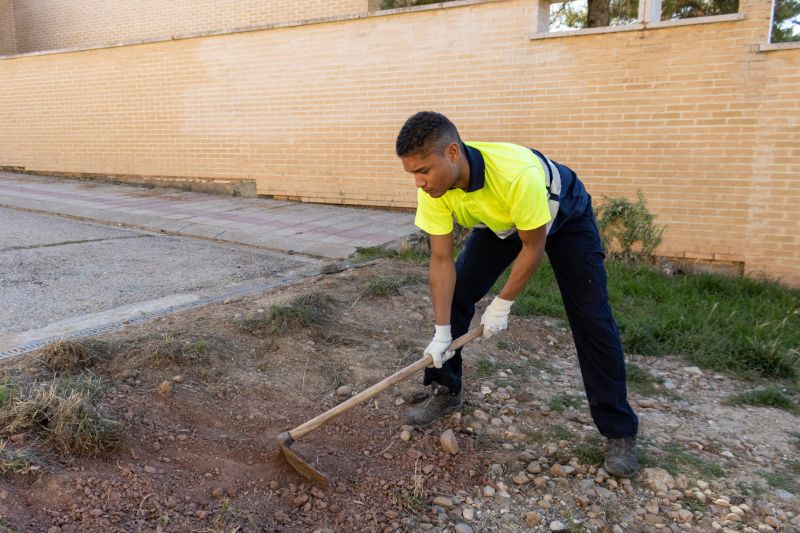


Learn how to compare sitework contractors, define scope clearly, verify experience, and set expectations in writing.
- Project Scope Definition - Clearly outline the specific sitework services needed, including excavation, grading, and site preparation tasks.
- Experience Verification - Confirm that local contractors have relevant experience with similar sitework projects in the area.
- Scope of Work Documentation - Ensure all project details, deliverables, and responsibilities are documented in writing for clarity.
- Service Provider Comparison - Evaluate multiple local contractors based on their expertise, reputation, and scope of services offered.
- Expectation Setting - Establish clear expectations regarding work quality, communication, and project responsibilities before work begins.
When comparing contractors for sitework services, it’s important to consider their experience with projects similar in scope and complexity. A contractor with a proven track record handling comparable site conditions, soil types, or project sizes can offer insights into their capability to manage the specific challenges of the job. Inquiring about past projects that align with the current needs can help gauge their familiarity with local regulations, site constraints, and the technical demands involved. This focus on relevant experience helps ensure that the selected service provider has the practical knowledge necessary to deliver quality results.
A clear, written scope of work is essential when evaluating sitework contractors. A detailed scope should outline the specific tasks the contractor will perform, materials involved, and the expected deliverables. This documentation helps prevent misunderstandings and sets clear expectations from the outset. When reviewing proposals or estimates, look for comprehensive descriptions that leave little ambiguity. A well-defined scope serves as a foundation for effective communication and provides a reference point should any questions or issues arise during the project.
Verification basics are key to making an informed choice among local contractors. While licensure and certification are not the focus here, it’s still worthwhile to verify references, review portfolios of completed work, and confirm the contractor’s familiarity with local site conditions. Asking for references from previous clients with similar projects can provide insight into their reliability and quality of work. Additionally, understanding how the contractor approaches project management, safety, and problem-solving can help determine their professionalism and suitability for the sitework needs.
When evaluating options, it’s helpful to compare how each contractor approaches the scope and their communication style. Focus on the clarity of their written proposals, their understanding of the project’s requirements, and their ability to articulate the steps involved. Asking questions about their experience with specific site challenges or unique project aspects can reveal their level of expertise. By emphasizing thoroughness, clarity, and relevant experience, homeowners can select a local contractor capable of managing the sitework effectively, without relying on price as the primary decision factor.
Ask contractors to provide written scope details to ensure clear expectations and consistent project understanding.
- **Experience Verification** - What relevant experience do local contractors have with sitework projects similar to yours?
- **Scope Definition** - How clearly do contractors outline the scope of work and deliverables in writing?
- **Comparison of Services** - What specific services and techniques do different local service providers offer for site preparation?
- **Work Approach and Methods** - How do contractors plan to approach your sitework project, and are their methods aligned with your expectations?
- **Communication and Clarification** - What questions can you ask to ensure the contractor’s understanding of your project needs and scope?
How can I compare different contractors for sitework services? To compare contractors, review their experience, scope of work, and reputation. Gathering multiple estimates and asking for detailed written proposals can help identify the best fit for your project needs.
What should I include in the scope of work when hiring a sitework contractor? Clearly outline the tasks, materials, and responsibilities expected from the contractor. Providing a detailed scope helps ensure all parties understand project expectations and reduces misunderstandings.
How important is verifying a contractor’s experience in sitework projects? Verifying experience ensures that the contractor has successfully handled similar projects. It can provide insight into their capabilities and help set realistic expectations for project quality and outcomes.
What questions should I ask a contractor before hiring for sitework services? Ask about their previous projects, methods, safety practices, and how they handle unforeseen issues. Clear communication helps establish a shared understanding of project scope and approach.
Why is it recommended to get everything in writing when working with a sitework contractor? Written agreements specify the scope, responsibilities, and expectations, reducing the risk of misunderstandings. Proper documentation helps ensure clarity throughout the project.
How can I ensure the contractor understands my project requirements? Communicate your project goals clearly and provide detailed descriptions or plans. Confirm that the contractor has a thorough understanding before work begins to align expectations.
Understanding the key aspects of sitework services helps ensure the project meets expectations. Visitors learned how to compare local contractors by defining the scope of work, verifying relevant experience, and setting clear details in writing. This approach supports making informed decisions when selecting a service provider for site preparation and related tasks.
Using the quote form allows for easy comparison of local contractors who can handle sitework projects. It provides an opportunity to gather information and connect with qualified service providers in the area, helping to identify options that align with specific project needs.